Across Kenya, the rising cost of living continues to place significant pressure on households, businesses, and communities. While inflation rates have remained within the government's target range in recent years, the prices of essential goods and services such as food, transport, fuel, and housing have continued to increase, affecting the purchasing power of millions of Kenyans. Recent data from the Kenya National Bureau of Statistics (KNBS) shows that food, transport, and housing remain the biggest contributors to household expenditure and inflation.
For many families, balancing daily expenses has become increasingly difficult as wages and incomes struggle to keep pace with rising costs. The challenge is particularly severe for low-income households, informal sector workers, young professionals, and vulnerable populations living in urban and rural areas.
The Growing Cost of Living Challenge
Rising Food Prices and Food Insecurity
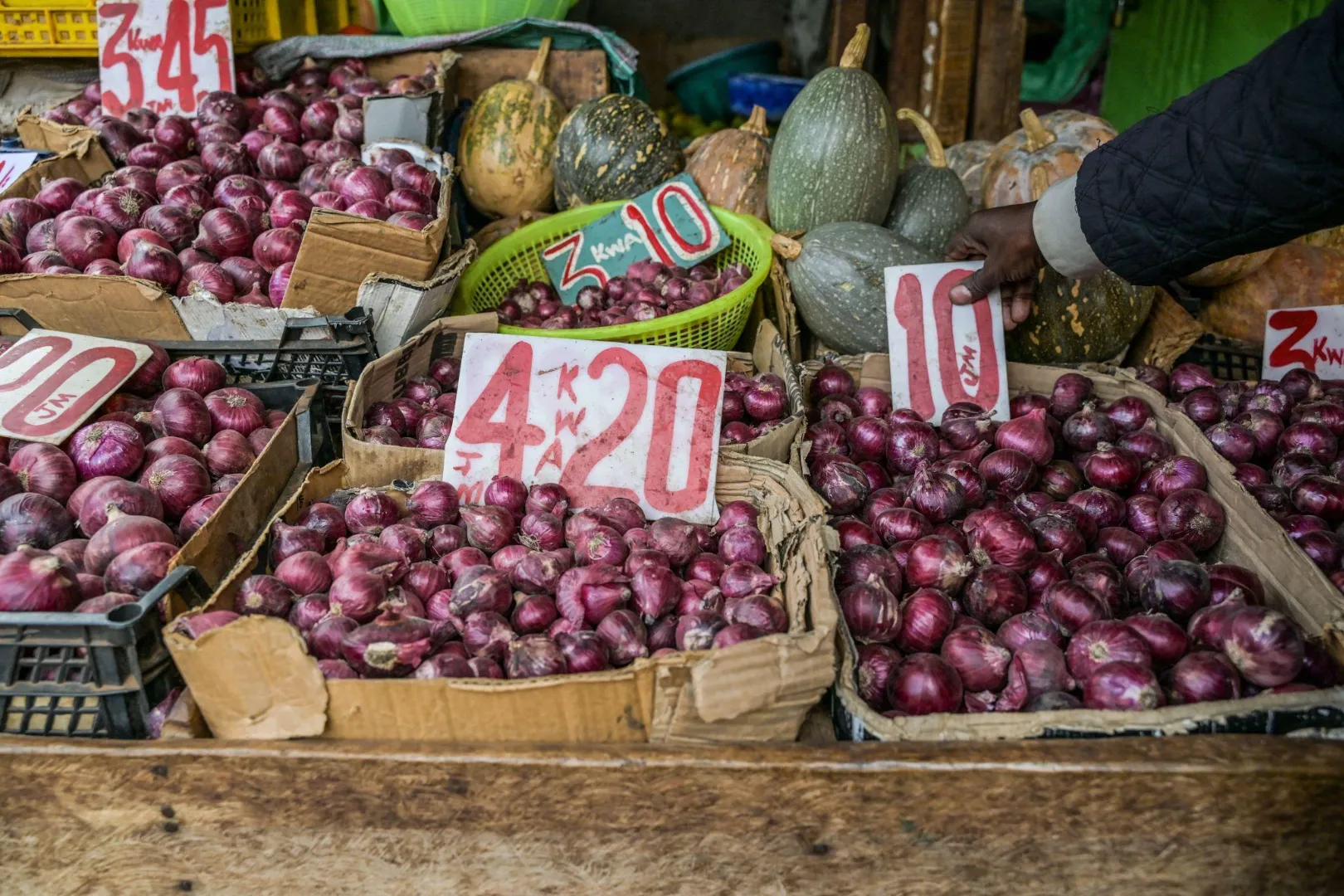
Food remains the largest expense for most Kenyan households. Essential commodities such as maize flour, cooking oil, sugar, vegetables, milk, and cereals have experienced periodic price increases due to a combination of factors including climate change, unpredictable weather patterns, rising production costs, and transportation expenses.
According to KNBS inflation reports, food and non-alcoholic beverages continue to be among the leading drivers of inflation in Kenya, accounting for a significant share of household spending.
Farmers face increasing costs for fertilizers, seeds, irrigation, and transportation, which ultimately affect consumer prices. Droughts and irregular rainfall patterns have also reduced agricultural productivity in some regions, limiting food supply and driving prices upward. As a result, many families are forced to spend a larger proportion of their income on food, leaving less money available for healthcare, education, savings, and investment.
Fuel Prices and Their Economy-Wide Impact
Fuel costs have a direct influence on the overall cost of living. Kenya relies heavily on imported petroleum products, making local fuel prices sensitive to global oil market fluctuations and international geopolitical developments.
Recent fuel price increases have contributed to higher transportation costs across the country. Transport inflation has become one of the strongest drivers of overall inflation, affecting both businesses and consumers. When fuel prices rise, transport operators increase fares, manufacturers face higher distribution costs, and farmers spend more to move produce from farms to markets. These additional costs are often passed on to consumers through higher prices for goods and services.
The result is a ripple effect that touches nearly every sector of the economy, from agriculture and manufacturing to retail trade and public transport.
Housing Affordability Challenges
Housing costs remain a major concern, particularly in urban centres such as Nairobi, Mombasa, Kisumu, and Nakuru. Rapid urbanization, population growth, and increased demand for housing have pushed rents and property prices upward.
Many young professionals and low-income earners spend a substantial portion of their monthly income on rent. At the same time, the cost of building materials, land, labour, and utilities has increased, making home ownership more difficult for many families.
Without adequate affordable housing options, many households are forced to live farther from workplaces and schools, increasing transportation expenses and reducing overall quality of life.
The Wider Economic Impact
The rising cost of living affects more than individual households. It also influences economic growth, consumer spending, and business performance.
When families allocate most of their income to basic necessities, they have less money to spend on other goods and services. Reduced consumer spending can slow business growth, discourage investment, and limit job creation.
Recent economic surveys have shown that businesses are increasingly concerned about rising operating costs, inflationary pressures, and weakening consumer demand.
Addressing the cost-of-living challenge therefore requires both immediate interventions and long-term structural reforms.
Practical Solutions for a More Affordable Future
1. Strategic Subsidies and Social Protection Programs
Government intervention can provide short-term relief during periods of economic hardship. Carefully targeted subsidies on essential goods such as fuel, fertilizer, electricity, and staple foods can help cushion vulnerable households from sudden price shocks.
In addition, strengthening social protection programmes for low-income families, persons with disabilities, older persons, and unemployed youth can improve resilience during economic downturns.
For subsidies to be effective, they must be transparent, well-targeted, and financially sustainable to avoid creating long-term fiscal burdens.
- Strengthening Local Manufacturing and Value Addition
Kenya's dependence on imported products exposes the economy to global price fluctuations and exchange rate risks. Expanding local manufacturing can reduce production costs, create employment opportunities, and improve economic resilience.
Investing in local industries can:
Create jobs for young people.
Reduce reliance on imported goods.
Strengthen domestic supply chains.
Increase export earnings.
Improve economic competitiveness.
The continued promotion of the "Buy Kenya, Build Kenya" initiative can stimulate local enterprise development while supporting economic growth.
- Investing in Agricultural Productivity
Agriculture remains the backbone of Kenya's economy and plays a critical role in food security. Improving access to affordable fertilizers, irrigation systems, climate-smart farming technologies, and agricultural extension services can increase food production and stabilize prices.
Investments in storage facilities, rural roads, and market infrastructure can also reduce post-harvest losses and lower transportation costs, benefiting both farmers and consumers.
- Expanding Affordable Housing Programs
Accelerating affordable housing initiatives can help reduce housing-related financial pressure on households. Public-private partnerships can increase the supply of affordable homes while supporting employment in the construction sector.
Affordable housing programmes should prioritize accessibility, quality, and proximity to employment opportunities to reduce commuting costs and improve living standards.
- Enhancing Financial Literacy and Household Budgeting
Financial literacy is an essential tool for helping households navigate challenging economic conditions. Many families can benefit from training on budgeting, savings, debt management, and investment planning.
Financial education can help individuals:
Make informed financial decisions.
Develop savings habits.
Reduce unnecessary debt.
Build emergency funds.
Improve long-term financial security.
Community organizations, schools, financial institutions, and government agencies all have a role to play in promoting financial literacy across the country.
Looking Ahead
The rising cost of living remains one of the most significant economic challenges facing Kenya today. Higher food prices, increasing fuel costs, and growing housing expenses continue to place pressure on household budgets and limit economic opportunities for many citizens.
However, these challenges are not insurmountable. Through coordinated action involving government, the private sector, civil society, and citizens, Kenya can build a more resilient and inclusive economy. Strategic investments in agriculture, manufacturing, affordable housing, social protection, and financial literacy can help reduce the burden on households while creating opportunities for sustainable growth.
As Kenya continues its journey toward economic transformation, addressing the cost of living must remain a national priority. A stronger economy is not measured only by growth statistics but also by the ability of ordinary citizens to afford a decent quality of life, provide for their families, and participate meaningfully in the country's development.