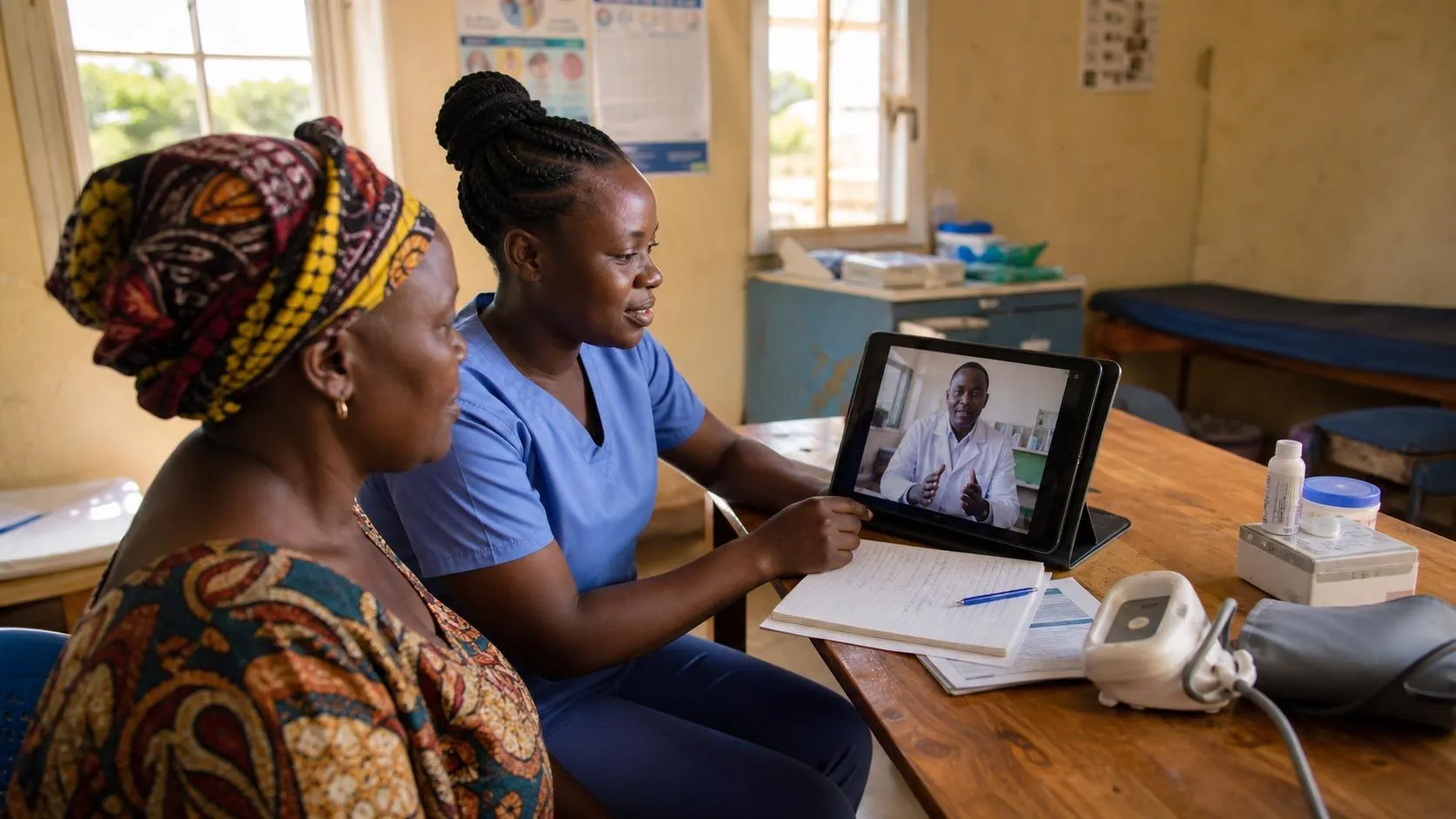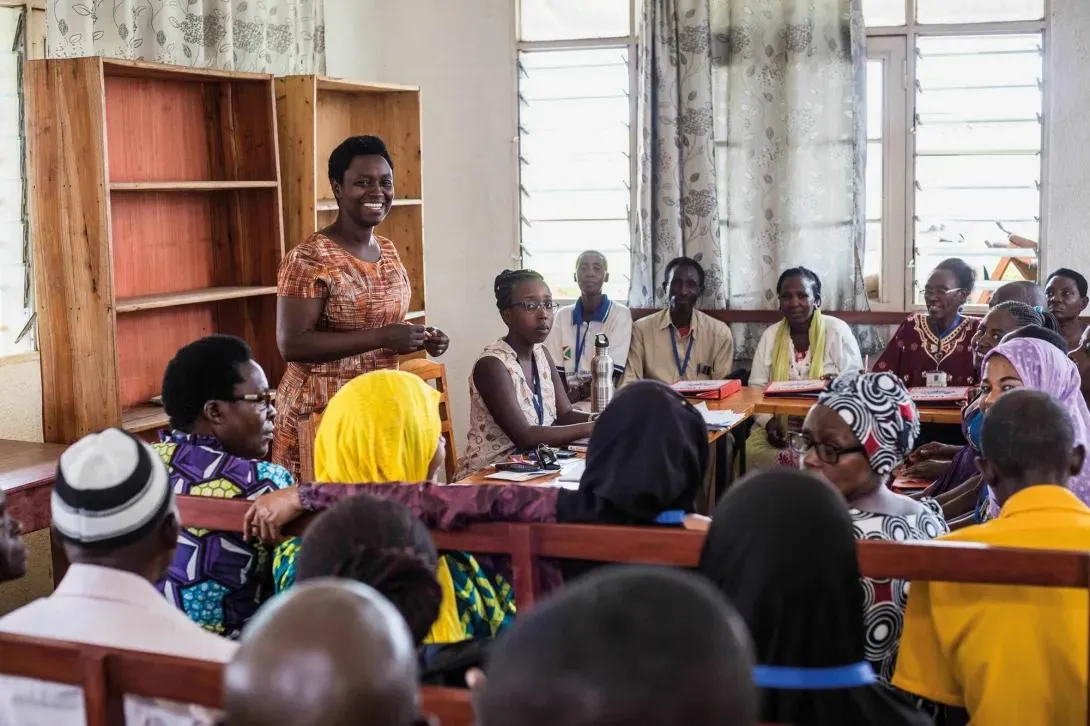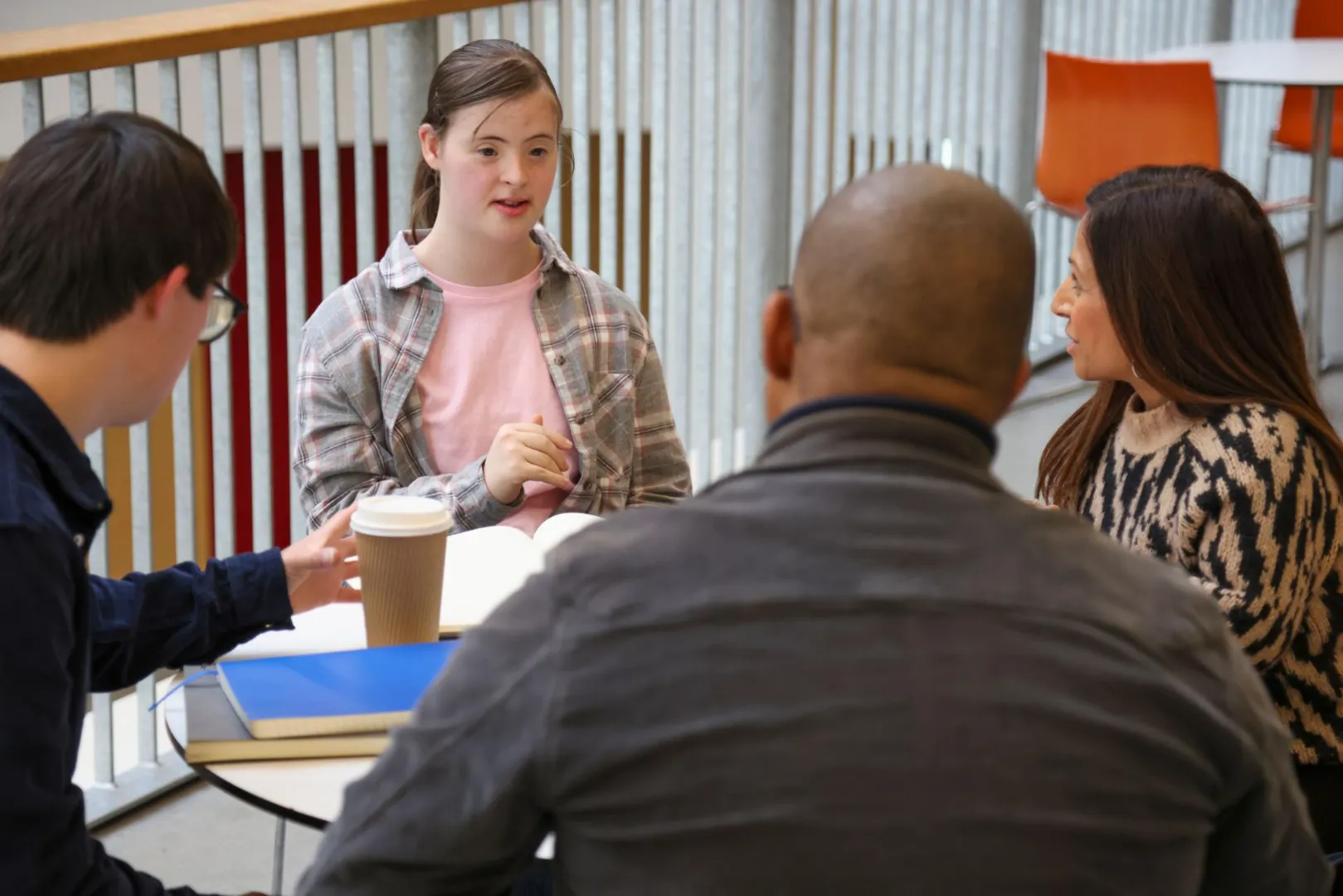
Imagine a community where every individual feels valued, respected, and empowered to contribute. A place where a child with a disability can attend school without barriers, where women have equal opportunities to lead businesses, where young people can access meaningful employment, and where older persons continue to participate actively in community life.
This is the essence of social inclusion.
Social inclusion is the process of ensuring that all people, regardless of their circumstances, have equal opportunities to participate in economic, social, cultural, and political life. It is built on the belief that everyone deserves dignity, equal rights, and the opportunity to reach their full potential. The United Nations describes an inclusive society as one in which every individual has rights, responsibilities, and an active role to play, regardless of differences in race, gender, age, disability, religion, or socioeconomic status.
As communities become more diverse, promoting inclusion is no longer just a moral responsibility, it is essential for sustainable development and social progress.
Why Social Inclusion Matters
Social exclusion can affect anyone, but it disproportionately impacts vulnerable and marginalized groups. These may include persons with disabilities, women and girls, unemployed youth, older persons, refugees, ethnic minorities, and people living in poverty.
When people are excluded from education, employment, healthcare, or decision-making processes, the effects ripple across entire communities. Families face greater economic hardship, children miss educational opportunities, and communities lose valuable ideas, skills, and talents.
Conversely, inclusive societies are more resilient, peaceful, and prosperous. When everyone has an opportunity to participate, communities benefit from greater innovation, stronger social cohesion, and more sustainable economic growth. The principle of "leaving no one behind" is central to the global Sustainable Development Goals because reducing inequality strengthens development outcomes across many sectors.
Education: The Foundation of Inclusion
Education is one of the most powerful tools for promoting social inclusion.
Quality education equips individuals with the knowledge, confidence, and skills needed to participate fully in society. However, inclusion goes beyond simply enrolling children in school, it means ensuring that every learner feels welcome, supported, and able to succeed regardless of their background or abilities.
Inclusive education removes barriers related to disability, gender, language, culture, or poverty by adapting learning environments to meet diverse needs. UNESCO emphasizes that every learner matters and deserves equal opportunities to learn and thrive.
When classrooms embrace diversity, students not only achieve better academic outcomes but also develop empathy, respect, and collaboration—qualities that strengthen society as a whole.
Economic Inclusion Creates Opportunity
Employment is one of the strongest pathways to social inclusion.
Access to decent work allows individuals to earn an income, support their families, and participate meaningfully in community life. Unfortunately, many people continue to face barriers because of discrimination, limited education, disability, or geographic location.
Promoting inclusive economic growth means:
Expanding access to vocational training and education.
Supporting entrepreneurship and small businesses.
Creating jobs that are accessible to people with disabilities.
Promoting equal pay for equal work.
Investing in youth employment and women's economic empowerment.
When economic opportunities are shared more equitably, communities become more stable and poverty levels decline.
Inclusion Begins in the Community
Social inclusion is not achieved through government policies alone. It begins with everyday actions in homes, schools, workplaces, and neighborhoods.
Communities become more inclusive when they:
Welcome diversity and celebrate different cultures.
Eliminate discrimination and prejudice.
Ensure public spaces are accessible to everyone.
Encourage equal participation in community leadership.
Listen to the voices of marginalized groups.
Support volunteerism and community engagement.
Small acts of inclusion, such as ensuring meetings are accessible, mentoring a young person, or challenging stereotypes, can create lasting change.
The Role of Organizations
Organizations, schools, businesses, and civil society all have an important role in promoting inclusion.
They can foster belonging by:
Developing inclusive policies and practices.
Providing equal employment opportunities.
Offering accessible services and facilities.
Investing in leadership development for underrepresented groups.
Creating safe spaces where everyone feels respected and heard.
Inclusive organizations often experience stronger teamwork, greater innovation, and improved decision-making because they benefit from diverse perspectives and experiences.
Challenges to Social Inclusion
Despite progress, many barriers remain.
Discrimination, poverty, inadequate infrastructure, unequal access to education, digital exclusion, and social stigma continue to prevent millions of people from participating fully in society.
Addressing these challenges requires collaboration among governments, development organizations, businesses, educational institutions, and local communities. Lasting inclusion depends on policies that remove barriers while fostering attitudes of respect, fairness, and equal opportunity.
Building a Future Where Everyone Belongs
Social inclusion is not about giving special treatment to a few, it is about ensuring that everyone has a fair chance to succeed.
When children can learn without discrimination, when women can lead without barriers, when persons with disabilities can access public services independently, and when young people can find meaningful opportunities, entire communities flourish.
Building inclusive societies requires commitment, compassion, and collective action. It means recognizing that diversity is a strength, not a weakness, and that every individual has something valuable to contribute.
By embracing social inclusion, we create communities where people are not defined by the barriers they face but by the opportunities they are given to grow, participate, and thrive. In doing so, we lay the foundation for a more just, equitable, and sustainable future for all.