Climate change is one of the most pressing challenges facing Kenya today, posing a serious threat to sustainable development. Its impacts, ranging from prolonged droughts, erratic rainfall, and rising temperatures, are already being felt across the country. These changes are undermining food security, health, water availability, and livelihoods, especially for vulnerable populations.
Rising Climate Impacts in Kenya
Kenya has experienced increasingly frequent and severe climate-related events over recent years. Rising temperatures and unpredictable rainfall patterns have become the new normal, disrupting ecosystems and economic activities.
In arid and semi-arid regions, which cover most of the country, droughts have become longer and more intense. This has led to loss of livestock, crop failure, and reduced pasture availability, affecting millions of pastoralists and small-scale farmers.
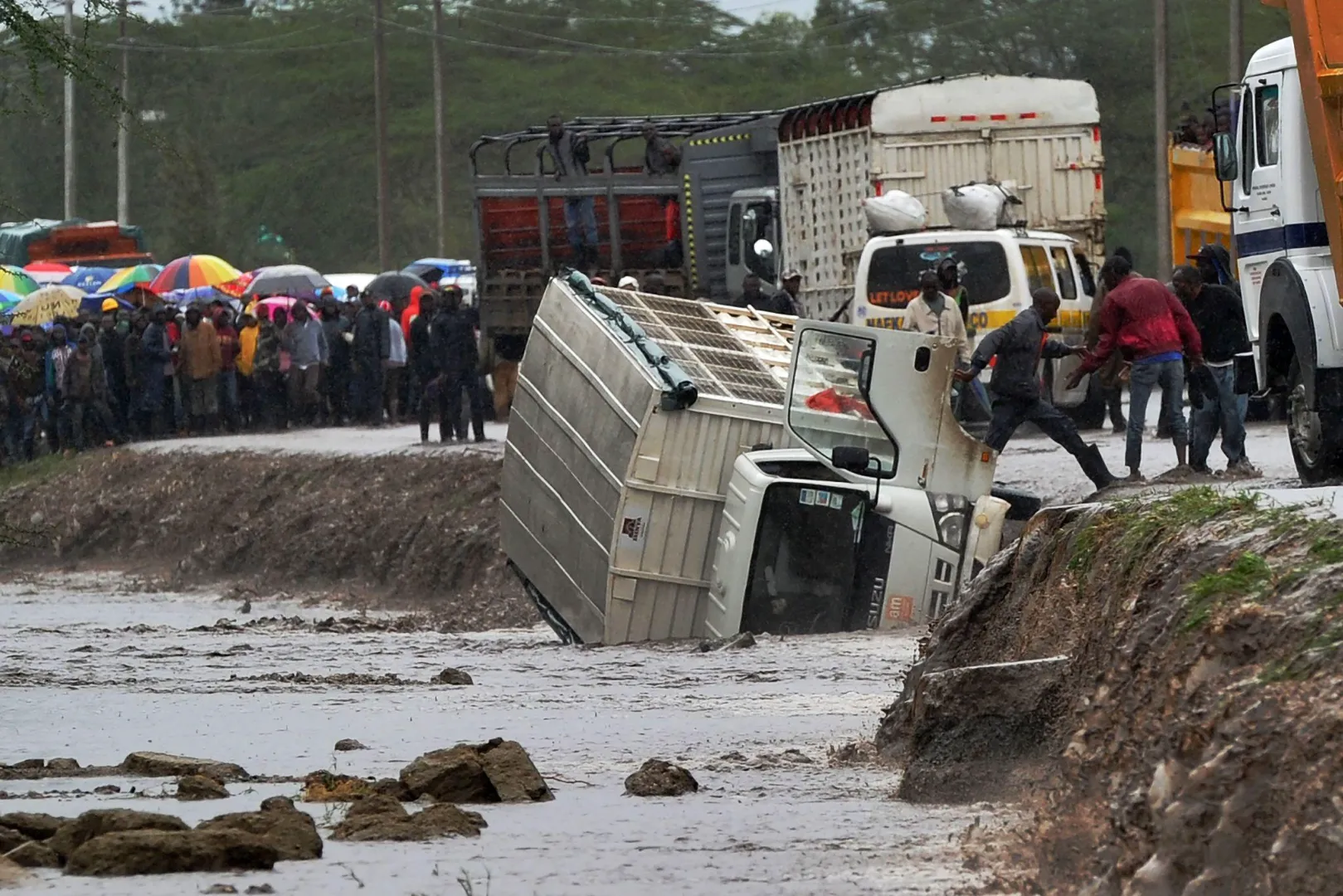
On the other hand, heavy rainfall events are causing destructive floods in various regions, damaging infrastructure, displacing families, and increasing the spread of waterborne diseases.
Food Security Challenges
Agriculture is the backbone of Kenya’s economy, but it is highly dependent on rainfall. Climate change has made weather patterns increasingly unpredictable, leading to reduced agricultural productivity.
Farmers now struggle with shifting planting seasons and frequent crop failures. Maize, a staple food crop, has been particularly affected, contributing to food shortages and rising prices. As a result, many households are facing increased vulnerability and dependence on food imports and aid.
Water Scarcity and Livelihood Stress
Water scarcity is becoming more severe due to declining rainfall and rising temperatures. Rivers, dams, and underground water sources are under increasing pressure.
In many communities, women and girls are forced to travel long distances in search of water, reducing time for education and economic activities. Urban areas are also experiencing increased demand, leading to water rationing and competition for resources.
Health Impacts of Climate Change
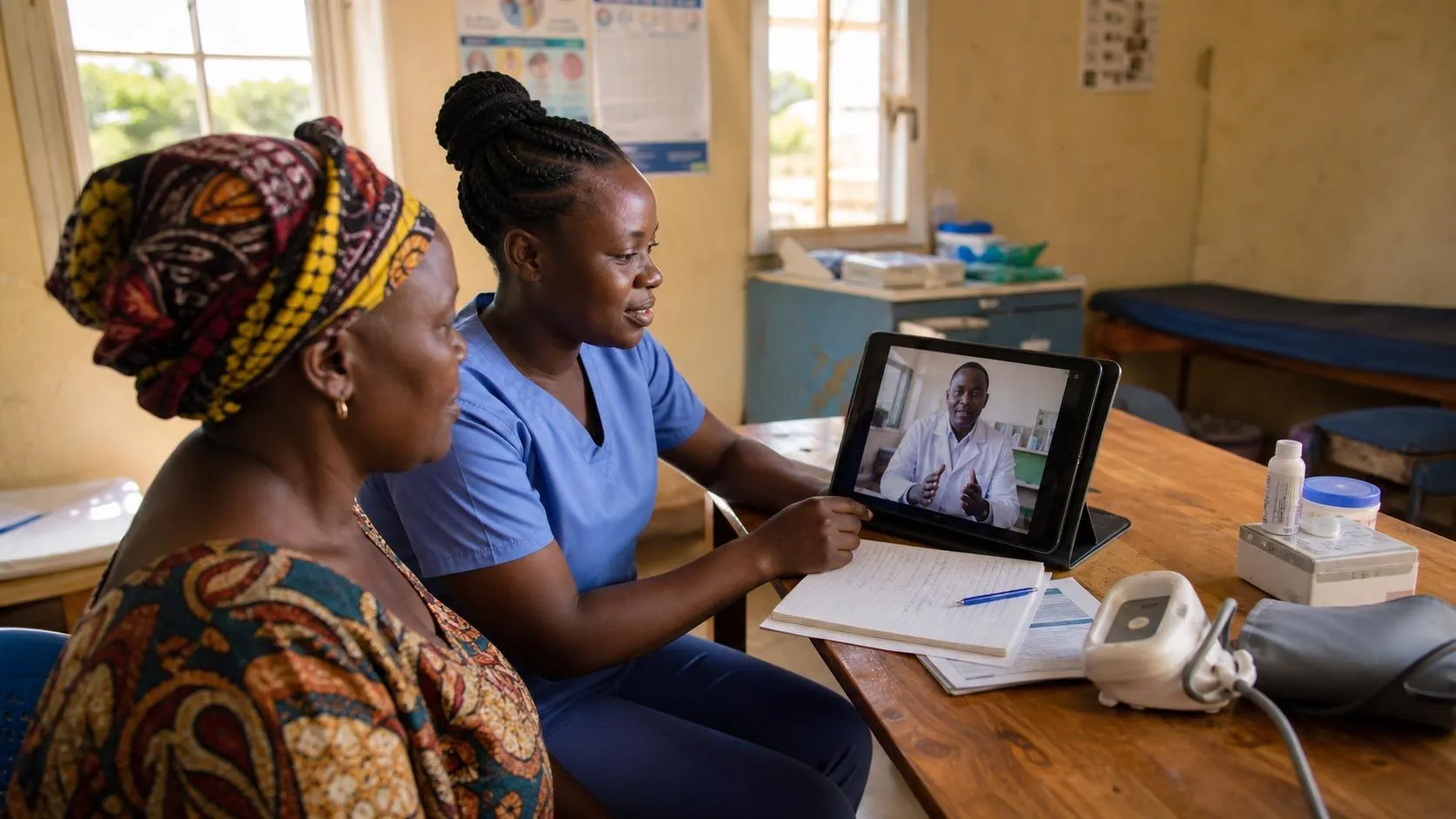
Climate change is also affecting public health in Kenya. Rising temperatures and flooding create favorable conditions for disease outbreaks such as malaria, cholera, and other waterborne infections.
Heat stress is becoming more common, especially in densely populated urban settlements. Poor air quality caused by environmental degradation and pollution is also increasing respiratory illnesses.
Unequal Impacts on Vulnerable Groups
Climate change does not affect everyone equally. Vulnerable groups bear the greatest burden, including:
Women and girls, who are more exposed due to household responsibilities such as water collection and caregiving
Youth, who face limited economic opportunities as climate-sensitive livelihoods decline
Persons with disabilities (PWDs), who often face barriers in accessing climate information and emergency support
Marginalized communities, who have limited infrastructure and adaptive capacity
These inequalities highlight that climate change is not only an environmental issue but also a social justice challenge.
Kenya’s Efforts Toward Climate Action
Kenya has made progress in addressing climate change through policies such as the Climate Change Act and the National Climate Change Action Plan. The country has also invested in renewable energy, particularly geothermal, wind, and solar power.
However, challenges remain in implementation, financing, and ensuring that climate action reaches local communities where impacts are most severe.
The Way Forward
To build resilience against climate change, Kenya must strengthen:
Climate-smart agriculture and sustainable farming practices
Water harvesting and irrigation systems
Early warning systems for droughts and floods
Inclusive climate policies that prioritize vulnerable groups
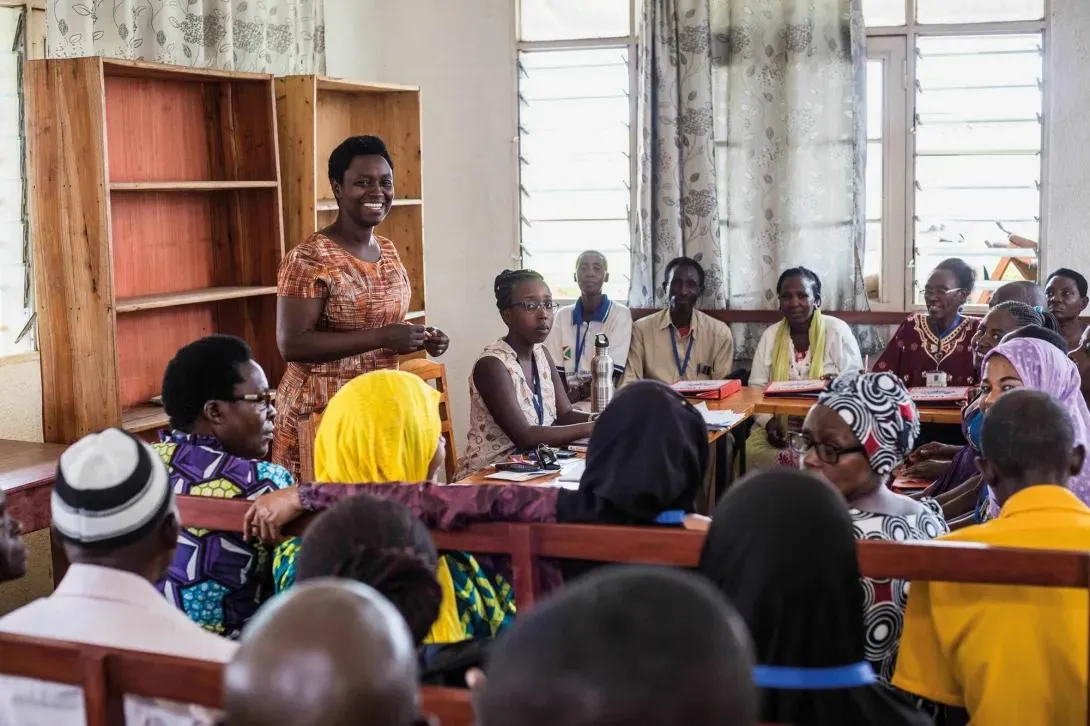
Community-based adaptation and awareness programs
Conclusion
Climate change poses a serious threat to Kenya’s sustainable development. Its impacts are already visible in food systems, water availability, health, and livelihoods. Vulnerable populations are disproportionately affected, making climate action not only a development priority but also a matter of equity and justice.
Building resilience now is essential to safeguard Kenya’s future and ensure no community is left behind.