For decades, blue-collar training in areas like welding, plumbing, and automotive mechanics has relied on physical apprenticeships and hands-on practice. While invaluable, this model faces limitations such as resource scarcity, safety risks, and a lack of standardized instruction. Artificial Intelligence offers powerful tools to augment and enhance this traditional training model within Kenyan TVETs.
Imagine a student learning to weld using a Virtual Reality (VR) headset. An AI-driven simulation could provide real-time feedback on their technique, angle, and speed, allowing them to practice countless times without wasting materials or risking injury. According to research published on AFRITVET, "AI can improve efficiency, personalize learning experiences, and increase engagement for TVET trainers and students" (Afritvet.org). These personalized learning platforms can adapt to a student's individual pace, offering extra support where needed and accelerating learning for others.
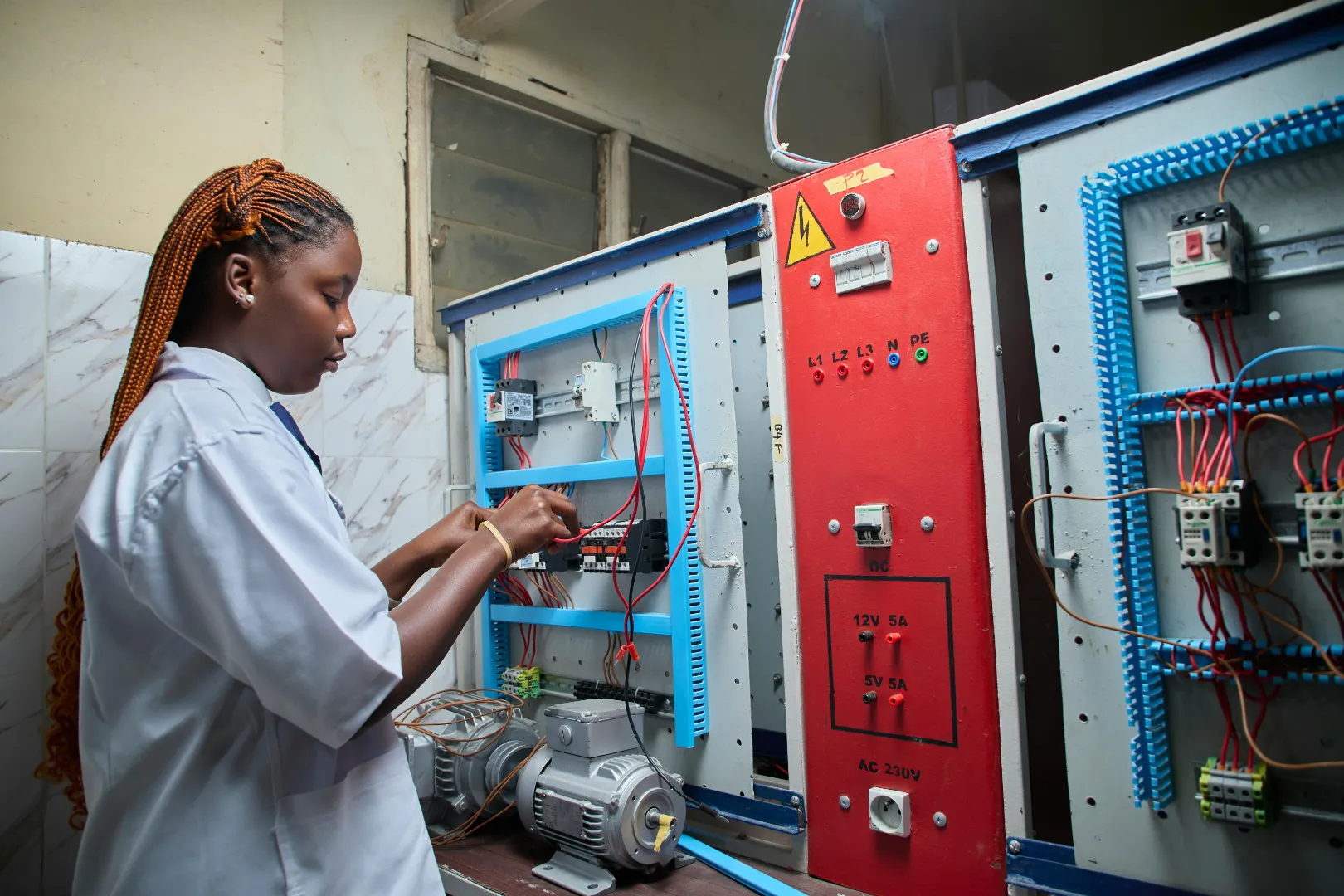
Furthermore, AI-based image analysis can be used for objective assessment in practical examinations. A system could analyze a photograph of a student's work—be it a brick wall or a circuit board—and grade it against a set of predefined standards. This not only reduces instructor workload but also provides "timely, standardized feedback," as noted by the Kenyan National Commission for UNESCO (UNESCO Kenya).
However, the successful integration of these technologies hinges on addressing the digital divide. As a study on ResearchGate points out, "Urban-rural differences in AI adoption are notable due to infrastructural limitations." For AI to truly bridge the gap, Kenya must invest in equitable access to digital infrastructure and provide robust training for the TVET instructors who will lead this charge.
Citations:
- AFRITVET. (n.d.). Embracing Artificial Intelligence in TVET Institutions. Retrieved from afritvet.org.
- UNESCO Kenya. (n.d.). Harnessing Artificial Intelligence (AI) to enhance skills development and increase employability amongst graduates. Retrieved from unesco.go.ke.
- ResearchGate. (n.d.). Perceptions of TVET Trainers on the Adoption of AI for Enhanced Pedagogy in Kenya.